Back to top
Back to top

Education

  1. Jump to sub-topics

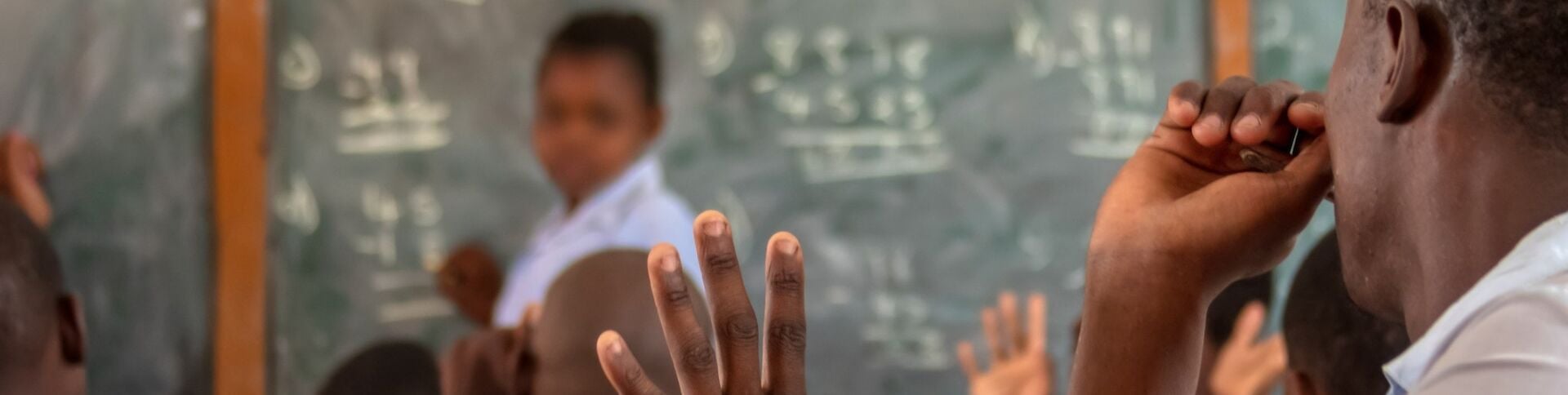
Since its creation UNESCO has been a global leader in promoting education as a basic human right. Today UNESCO continues this tradition by addressing the world’s education needs at all levels of learning. This includes working with the international community to keep education high on the list of global development priorities, monitoring progress on education goals, fostering partnerships between Member States, schools, higher education institutions and civil society and strengthening the capacity of countries to offer quality education.

Read more about UNESCO’s work in the field of education by visiting UNESCO’s education homepage.

As a global leader in education research and provision, the UK has an important contribution to make towards UNESCO’s education goals. The UK National Commission for UNESCO (UKNC) brings together this expertise in support of education priorities, including Education for All, Education for Sustainable Development and Literacy.

The UK National Commission also helps coordinate the UNITWIN UNESCO Chairs Network in the UK and coordinates with UNESCO Associated Schools in the UK.

Read more about our work in education by selecting from the below list of topics.

Pages in this section

Education for All
Thumb: Education for All
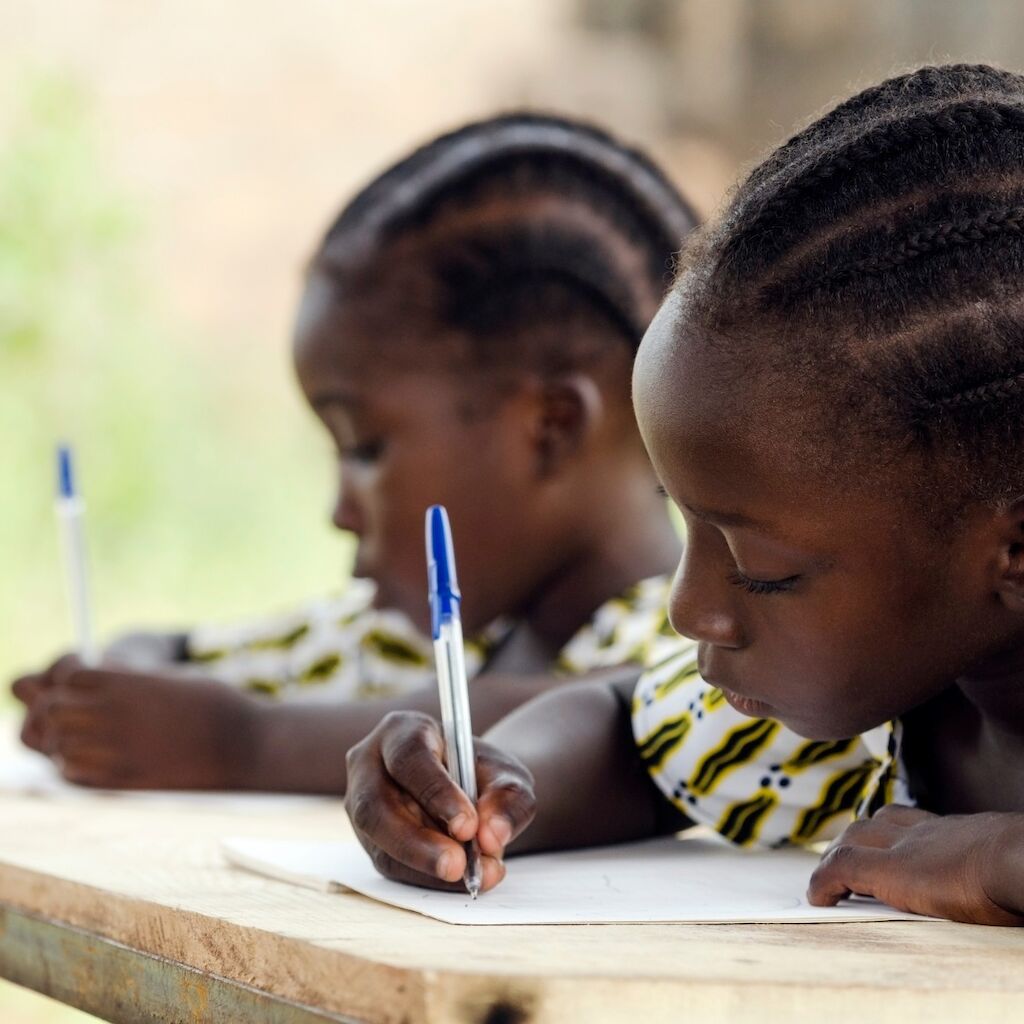
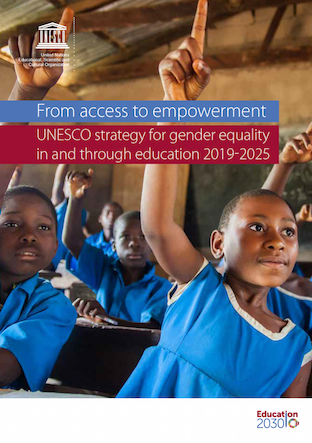
Despite international efforts to date, over 75 million children don't go to school. We're working to uphold the global commitment to ensure quality basic education for all children, youths and adults
Education for Sustainable Development
Thumb: Education for Sustainable Development
Education to enable people to develop the knowledge, values and skills to participate in decisions that will improve the quality of life now without damaging the planet of the future
Literacy
Thumb: Literacy
Literacy is at the heart of basic Education for All, and essential for eradicating poverty, reducing child mortality, achieving gender equality and ensuring sustainable development, peace and democracy.

Back to top

More


News and Events


Back to top

Regional and accessibility